
It’s nearly over (or it might be by now), mainly because Keir Starmer doesn’t seem able to drop the Thatcherite acronym TINA (“there is no alternative”) and accept that, actually, there is, and that he needs to get on board with the changes many of us thought we were going to see after the 2024 election. I, for one, am massively disappointed.
I know local elections aren’t really the forum for serious, big-picture debate but, if it’s not going to come from the top, grassroots politics has to be the instigator. As Arlo Guthrie wittered away in the seminal Alice’s Restaurant; well, to be honest I can’t remember the exact line but it was something along the lines of: “If one person a day says it, they’ll think he’s a loony but if fifty people… it’s a movement.”
Power to the people appears to be a thing of the past and it’s hard to see how us common folk can make any difference, even if it’s something like food and diet that affects us all, when the ‘powers that be’ don’t seem to give a damn about it.
Back in 2020, Boris Johnson and Michael Gove commissioned Henry Dimbleby to research and write a National Food Strategy only to ditch it because man-of-the-people Johnson thought it inevitable that it would lead to more taxes on the ‘working man’. That’s probably the closest we’ve got and, in the meantime, things have only got worse.
Maybe it’s the parlous state of the nation’s finances making council litter pickers unaffordable but, if you can judge the nation’s diet and health by what gets thrown out of car windows, we’re really not in a good place.
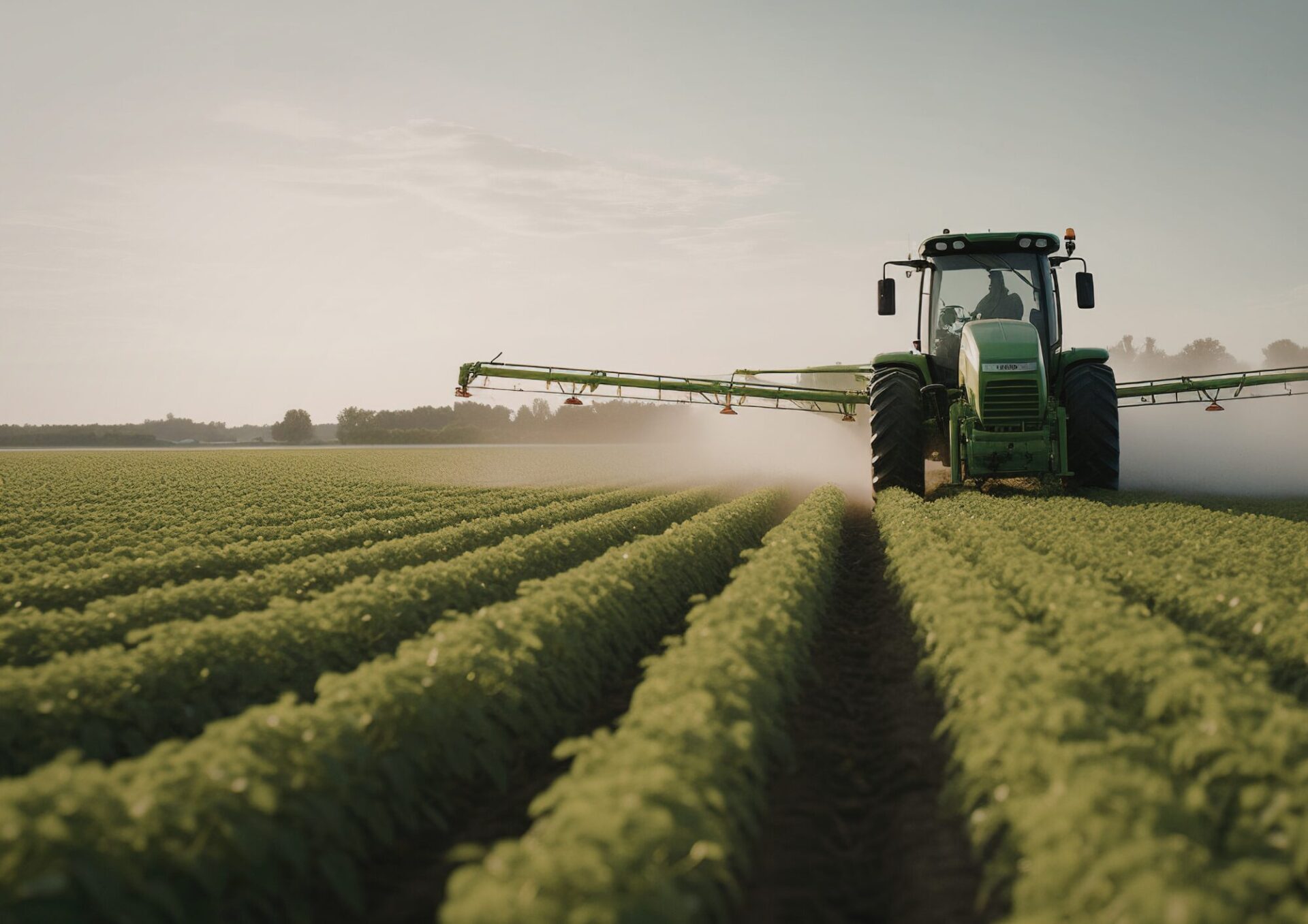
Ignoring hydrogen sulphide and glyphosate poisoning, estimates of the cost of the UK’s diet range from £120 to £250 billion (approximately 5–10% of GDP). The problem is that those are largely hidden costs. No one knows how much glyphosate-related cancer claims (definitely according to American courts) or diet-related diabetes are costing the NHS and the workplace but, if we don’t acknowledge it, we certainly won’t do anything about it.