
I had a dream! It will almost certainly remain a dream but it’s a starting point.
The ‘leave it to the free market’ reaction of various industry titans to the proposed food essentials price cap plan demonstrates exactly where we stand. Yes, they do a good job delivering cheap food, but at a considerable cost to agriculture, health and food security. We need to revisit the National Food Strategy. We’ve all heard that things in the farming sector and food security are getting worse by the day. Rather than trying to fix the frayed edges (as with our MP and the SDLP with the so-called, and inaccurately named, ‘family farms tax’) why not come up with a plan for everything; diet and health, food production and food security.
So here’s mine: starting at the beginning, on the farm. If farmers could make a decent living, they could pay their taxes like everyone else. There seems to be some sort of ‘omertà’ code of silence that I’m amazed no one has broken. Being part of a farming family, I’m sworn to secrecy but, up to now, they’ve done OK out of HMRC. But that’s irrelevant if they’re not allowed to make a reasonable living. What I’m saying is that, if it was a level playing field income-wise, things are far worse than you read in the papers. Most farmers are in the invidious position of being collectively screwed by their only customers. The supermarkets, with 90%+ of the UK grocery market, are ridiculously powerful. Farmers don’t stand a chance.
It won’t stop their price-gouging talons but some sort of guaranteed minimum price, based on cost of production plus a reasonable profit, would go a long way. It might all sound a bit EEC (as it was then) butter mountain-esque but much of it could be managed by quotas. Quotas, used creatively, could also have the added bonus of gently nudging farmers towards more environmentally friendly methods and healthier output. Yes, it would cost a fortune, but it would be more Jim Ratcliffe than Elon Musk-sized. AI says the total UK agricultural GDP is about £15 billion. Call it £20 billion. Doubling it would be small fry compared with the above-mentioned cost of poor diet.
I can hear the Faragists moaning about bureaucracy but what they never acknowledge is that the government should be offering good, reasonably paid jobs where taxes are paid and income spent in the local economy, unlike them (who mainly seem to aspire to tax-free Dubai), freelance digital nomads and members of the ‘gig economy’ who, not unreasonably in their circumstances, are often sending money home to relatives etc. But that’s another matter.
So that’s a start. Farmers’ incomes guaranteed but we’ve only had a quick nibble at the environmental and health aspects of food production, like glyphosate and nitrite runoff. In return for a fair price, farmers should be much more willing to act on environmental concerns and be gently nudged by proactive quotas and planning controls. As in Brittany, nitrite and phosphate run-off in the Wye Valley is well known. Sadly, intensive dairy, chicken and pig farms are here to stay, but they need to be smaller, more dispersed and more self-sufficient when it comes to feed and waste disposal. If not, they’re factories, not farms, and shouldn’t get any of the tax breaks. An agricultural version of Paris’s fifteen-minute town/borough breakdown plan might be appropriate. I know it will all cost money so read on.
The beauty of guaranteed payments is that they should make fresh, unprocessed food cheap. If Farmer Giles gets £2 per cauliflower (£1 from Mr Tesco and £1 as a government-funded top-up payment) Mr T can then sell it for cost plus profit. If he wants to dry it, mill it, add a bit of God knows what, press it into cauliflower crisps, fry it in palm oil and salt it – whoops, there’s going to be a few levies to pay – as with the sugar tax – and they are going to reverse the current situation and make fried chicken a lot more expensive than fresh chicken joints from the local butcher, or even the supermarket. Everyone knows UPFs are bad for us, but no one knows how bad. My unproven suspicion is that their effects go right across the spectrum from obesity to mental and neurodiverse disorders.
So those levies should pay for a good chunk of the guaranteed payments to farmers and environmental measures but affordable fresh food, by itself, won’t guarantee a healthy diet. The Sure Start programme was/is one of the few uncontrovertibly worthwhile initiatives of the Blair administration, sadly defenestrated by the Cameron/Osborne government. Adding diet and cooking skills to the agenda, and returning them to the secondary school curriculum, would be a start. But I don’t think we can wait for a generation of children to grow up. We need to redirect food providers now.
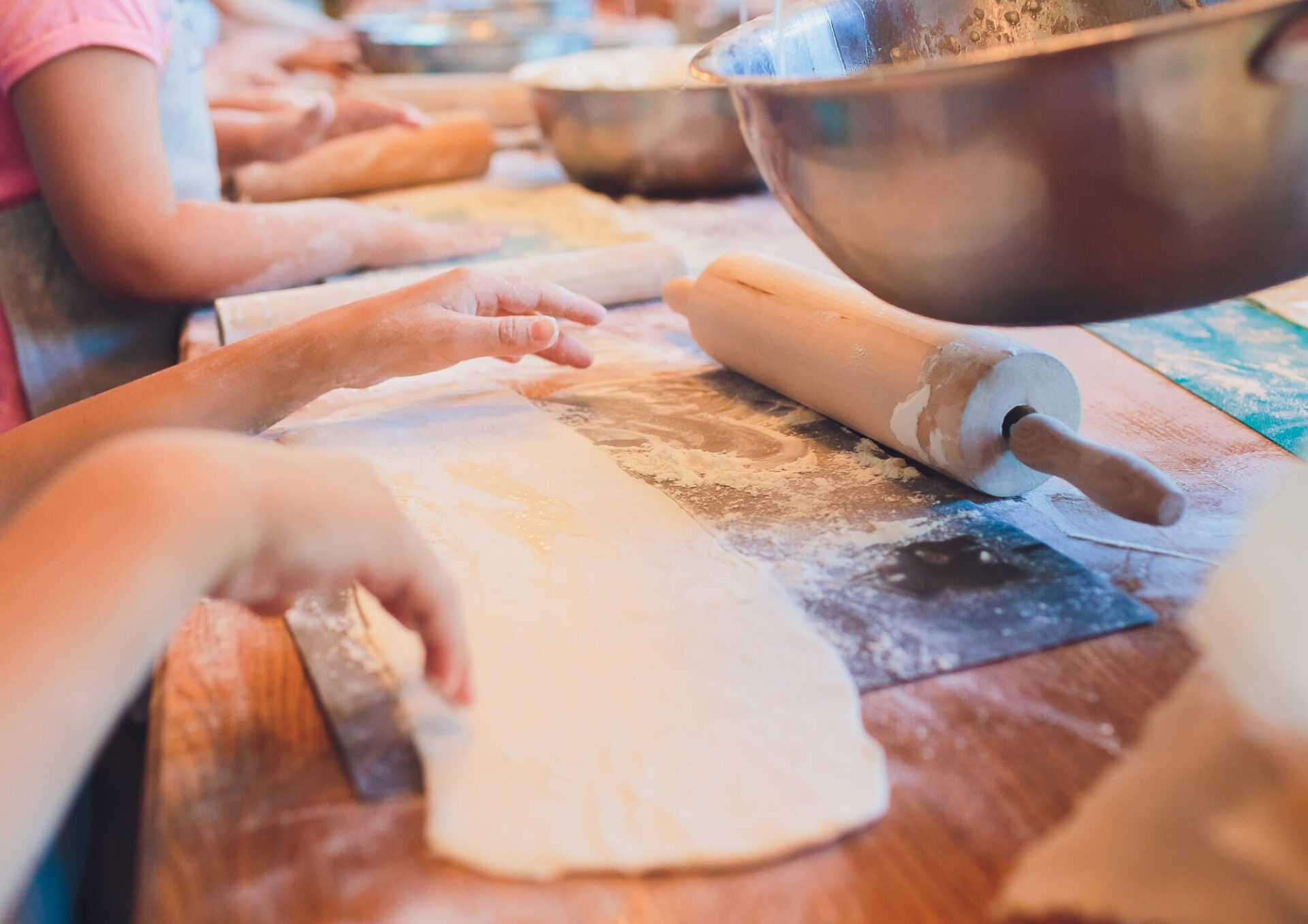
Community kitchens, classes and food hubs might be the answer. During lockdown, my daughter Lily volunteered at the Brighton and Hove Food Partnership where chefs volunteered to teach more advanced skills to those who could afford it. The proceeds were then used to fund free, more basic classes for those getting started who couldn’t. There’s plenty of research showing that, once you get started cooking from fresh, you rarely relapse and similar projects are thriving all over the country. It just needs some sort of government ‘Sure Start’-type intervention to make sure they get to the right places. As someone whose normal cooking companions are Radio 4 and a glass of wine, I feel like a total hypocrite but the benefits are there for all to see.
I could go on but I won’t bore you. There are obviously loads of gaps that need filling in by more informed people than I. Without wholesale markets, how to set the market price is the biggie. If there’s a guaranteed price for producers, the multiples will be in a win-win situation where, potentially, they could pay precisely zero for their cauliflowers. I’m going to have to think about that one.