
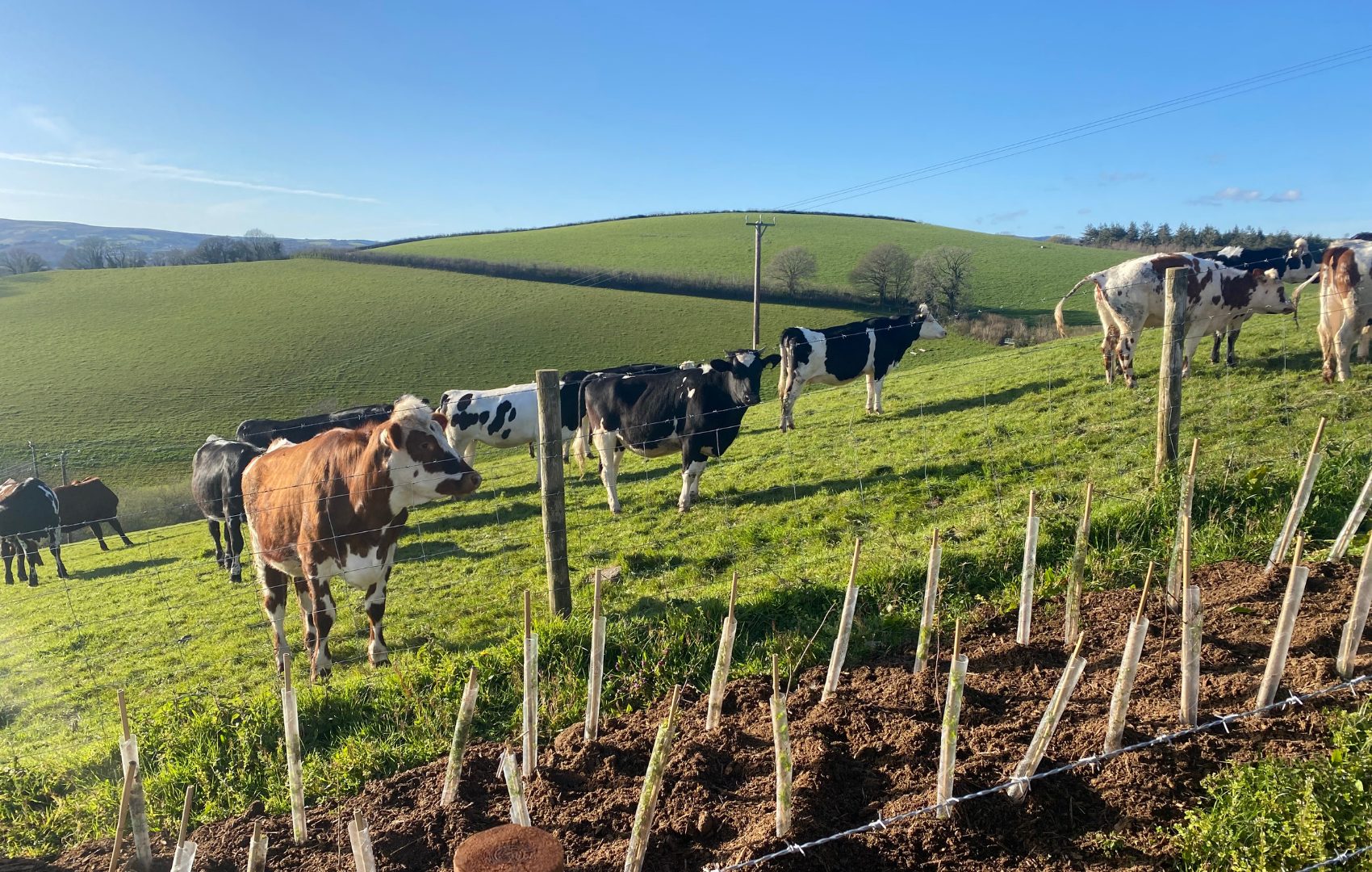
There’s been quite a bit written (including by me) about the current, disastrously low milk price. Since the demise of the Milk Marketing Board in the early noughties, the tricky task of balancing the supply, price and demand of milk has been left to ‘the markets’ – which, in practice, means the multiples get what they want.
They’re so much bigger than any of the producer co-operative groups like OMSCO (organic), Milk Marque, Arla etc and, let’s face it, in this day and age, how would milk get to the end user without them? But as both the BBC Today programme and Private Eye have pointed out, the bottom line is that milk supply has outstripped demand.
Since the abolition of milk quotas in 2015, if the price is right, any farmer can increase production whenever the mood takes them. If a small, fifty-cow dairy herd buys a few more cows, it’s not going to make much difference. He might have to buy a bit more land, so it’s not a decision he’ll take lightly. But if, as happens these days (or rather, last year), a mega zero-grazing herd of 1,000 cows decides to increase production by 10%, that’s a hundred high-yielding cows – and it will make a difference. Over a million litres of the white stuff difference.
They’re probably buying in fodder and non-grass-based feed anyway, so all they’ll need to buy are the cows (admittedly not cheap) and maybe a barn to house them. National production exceeds demand and you can bet your bottom dollar that it will be the small, fifty-cow herd that suffers rather than the avaricious mega-dairy. Or, in everyday country-folk speak – Tony Archer rather than Brian Aldridge (though he’s toast anyway).
So yes, farmers are partly culpable, but being dependent on the markets hasn’t done dairy farmers any favours. When there’s a surplus, the markets overreact and prices crash.
A far more responsible system would be based on quotas: buy what’s needed at full price, and the surplus at a reduced price, turning it into non-perishable milk powder and storing it until the market improves.