
The dark cloud that’s been hanging over us for the last couple of months might just have a silver lining. As George Monbiot points out (read article here), depriving the world of 20% of available oil could finally push renewables to be taken seriously and maybe, just maybe, establish them as the benchmark against which other energy sources are judged. That might be optimistic, given that the “drill baby drill” political neoliths are using the current predicament as a call to develop what, in the greater scheme of things, are pretty insignificant untapped resources in the North Sea. I think I’m right in saying that the Rosebank field represents about three days’ global oil supply, while, on a different metric, Jackdaw would reduce UK gas imports by around 2%. Big deal!
Whatever happens, it’s widely assumed we’re heading into another round of food inflation. Few would dispute that last time round things became a little predatory, with profit and margin percentages being viewed as sacrosanct. Everybody jumped on the bandwagon, with companies from Ryanair to Sainsbury’s posting record profits, for their shareholders, of course. Admittedly, there were genuine supply issues across the board and it wasn’t just about energy. This time around, it’s more directly linked to taking 20% of the world’s oil supply out of the system so, logically, if you don’t use much energy, you shouldn’t be as adversely affected.
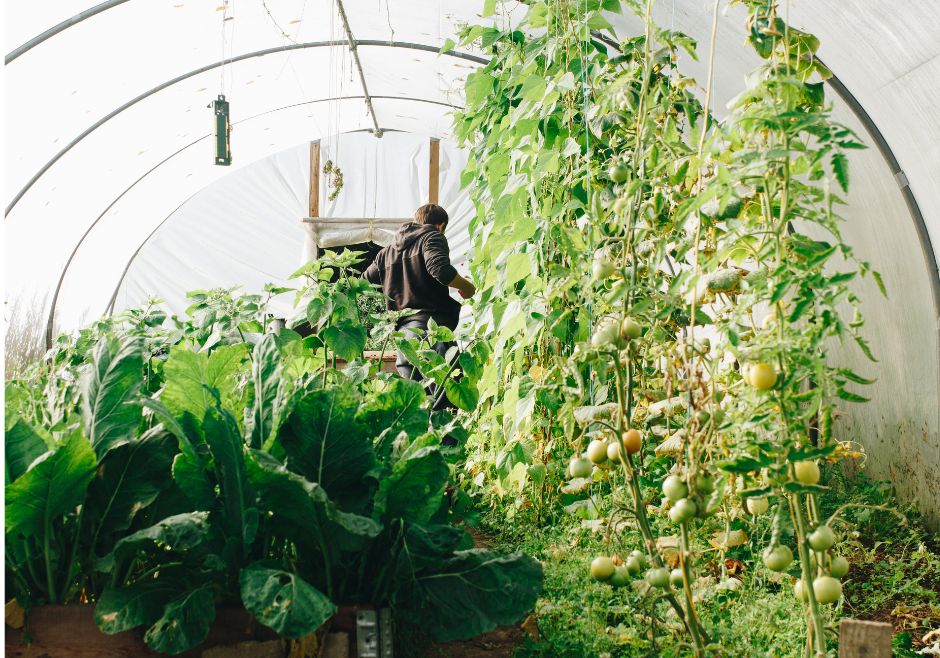
As Professor Tim Lang highlights, shorter supply chains and non-intensive regenerative farming systems use far less oil. The challenge, of course, is scale. Even with a recent uplift, certified organic food, including imports, still sits at just under 2% of total consumption, encouraging for those who can commit, but not yet enough to shift the dial.
I know times will be challenging, but maybe there’s an opportunity here. With pressure on energy costs, potential shortages in some commodities, and a commitment from local and alternative producers not to adopt the more predatory “market price” approach, the gap might begin to close. It could just make a more sustainable way of eating accessible to more people.