
Autumn is giving way to winter, and you can see the change in the produce. Root vegetables and brassicas are coming into their own: carrots, parsnips, swede and celeriac, alongside kale, cabbage and Brussels sprouts. They’re good roasted, mashed or cooked slowly, and make fine company for a roasting joint or some game from our butchery.
There are still apples, pears and quince to enjoy, while sweet chestnuts are a welcome sign that winter cooking is on the way. Squash and pumpkins are well worth making room for too: they’ll keep well and are useful for everything from soups to Sunday lunch.
Here’s what to look out for this November.
Brassicas & greens
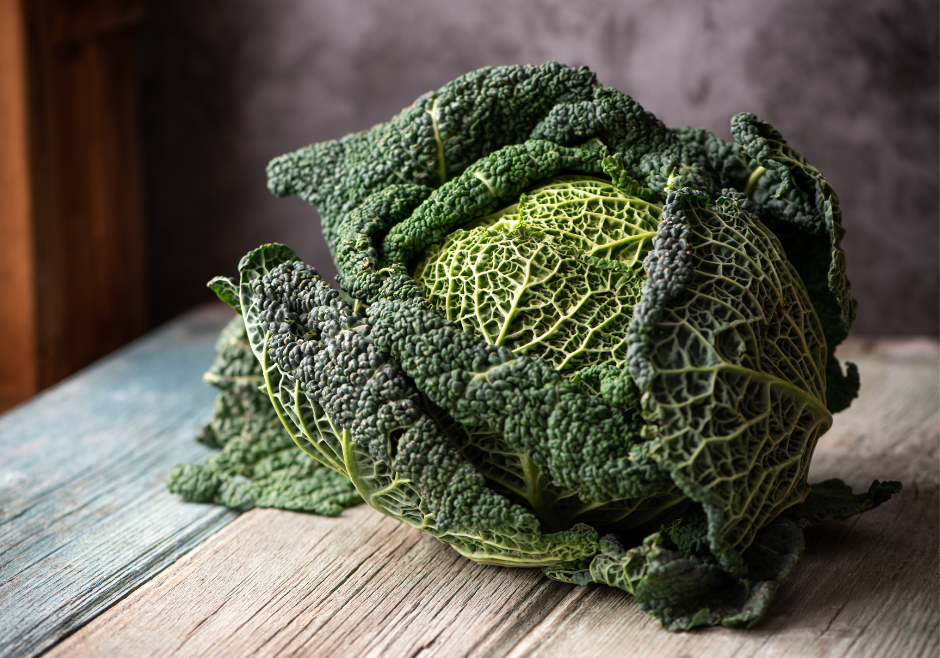
Kale, cabbage, cauliflower and other brassicas are at their best as the weather turns colder. Shred cabbage and cook it gently with butter, add kale to a pot of beans or a hearty soup, or roast cauliflower until it takes on a little colour. Keep an eye out for January King cabbage too, with its crinkled green and purple leaves. Despite its name, it can be ready from late autumn. It’s good simply steamed or braised, or shredded and fried with bacon.
Brussels sprouts
Sprouts deserve more than a hurried appearance alongside the Christmas turkey. Roast them until their edges are crisp, slice them into a stir-fry, or cook them with chestnuts and a little bacon. They’re also good finely shredded and added raw to a winter salad with apple and walnuts.
Squash & pumpkins
Squash and pumpkins are still plentiful in November, bringing a bit of colour to the table as the days get shorter. Roast wedges with olive oil and herbs, add them to soups and curries, or mash the flesh with butter and seasoning. They’re particularly good with warming spices, sage, cheese and toasted nuts. Kept somewhere cool and dry, whole squash can last well into winter.
Parsnips & roots
Parsnips come into their own in colder weather, and there’s plenty to do with them beyond the Sunday roast. Roast until golden, add to a warming soup or mash with potatoes and butter.Carrots, swede, turnips and celeriac are good choices too. Try a celeriac and potato gratin, roasted roots with thyme, or a pan of mashed swede alongside sausages or a slow-cooked joint.
Apples, pears & quince
There are still British apples and pears to enjoy, including varieties that keep well in storage. Eat them as they are, bake them into cakes and crumbles, or cook them gently to serve with porridge or yoghurt. Apples are good with pork and cheese, while pears work particularly well with walnuts and a good blue cheese. Quince needs cooking to bring out its flavour. Poach it slowly with a little sugar and spices, add it to an apple crumble, or cook it down into a fragrant jelly to serve with cheese.
Chestnuts & nuts
Sweet chestnuts are a welcome sight at this time of year. Roast them for a warming snack or use them in stuffings, soups and vegetable dishes. They’re especially good with sprouts, mushrooms or squash. Stored hazelnuts and walnuts are useful to have on hand too. Add them to salads, cakes and crumbles, or enjoy them with apples, pears and a piece of cheese.
Game
November is a good time to make the most of game. Pheasant, partridge, venison, rabbit and pigeon make satisfying meals as the weather gets colder, whether roasted, braised or cooked slowly in a casserole. Serve with seasonal roots, greens and a spoonful of something fruity. Availability can vary, so ask our butchers what’s on the counter and how they’d recommend cooking it.
Also in Season
Keep an eye out for:
- Beetroot
- Broccoli
- Brussels sprouts
- Cabbage
- Carrots
- Cauliflower
- Celeriac
- Celery
- Chicory
- Jerusalem artichokes
- Kale
- Leeks
- Parsnips
- Potatoes
- Pumpkins
- Radishes
- Rocket
- Spinach
- Squash
- Swede
- Swiss chard
- Turnips
- Watercress
- Wild mushrooms
- Apples
- Chestnuts
- Pears
- Quince
- Walnuts and hazelnuts
Exactly what’s available will depend on the weather and what our growers are harvesting. After the summer we’ve had, some crops will be smaller or in shorter supply than usual.
That’s rather the point of eating seasonally – you eat what’s actually growing, rather than what the calendar says ought to be there.
If you’re foraging
There’s still plenty to look out for in hedgerows and woodlands this November. Sloes can be used for gin or jelly, while crab apples make a lovely jelly to serve with cheese or a roasting joint. You may also find rosehips, late bullace and sweet chestnuts, depending on the weather and what’s growing nearby. Only pick what you can identify confidently, take a little from plentiful sources and leave plenty for wildlife. Check that foraging is permitted where you’re gathering, and ask the landowner’s permission where needed.